Entry 03 · Light Transport
Why interiors are expensive
Light enters through a small hole. Most paths never find it.
- Entry
- 03
- Section
- 01 Light Transport
- By
- Marek Sowa
- Read
- 2 min
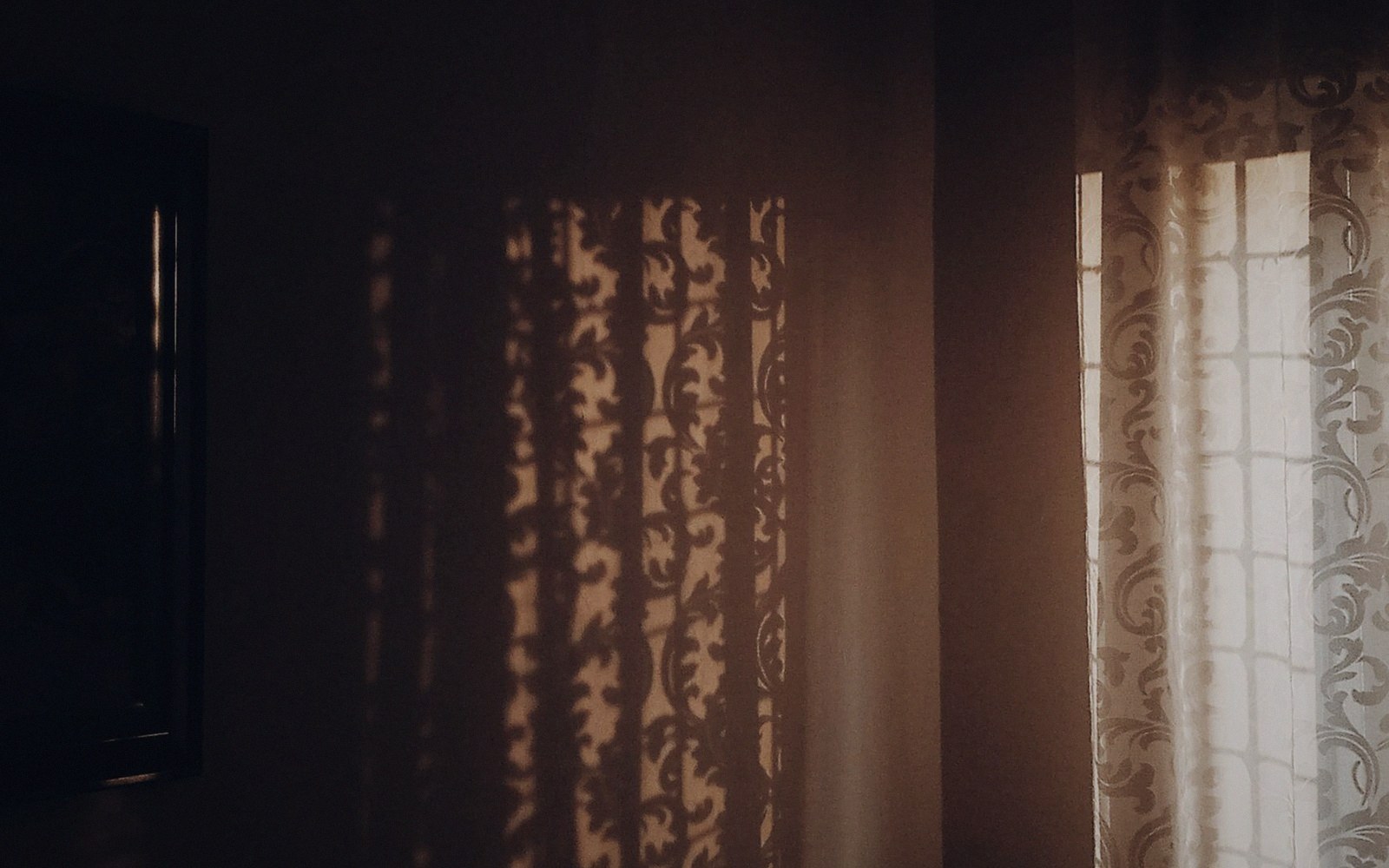
The geometry of the problem
Step inside a room lit by a single window and look at the far corner. That corner is receiving light — you can see it — but the only photons that reach it have bounced off the floor, the walls, and possibly a ceiling before arriving. Every one of those bounces was a chance for the path to miss the window entirely.
A path tracer discovers this the hard way. It fires a ray from the camera, strikes the corner, and then must find a direction that eventually connects back to sky or sun through the glass opening. The window might subtend only a small fraction of the hemisphere's solid angle from that corner. A ray fired blindly into the hemisphere has a very small probability of threading that gap. Most rays bounce around inside the room and return nothing useful, which registers as variance — and variance is noise.
Why bounces compound the cost
Each additional bounce multiplies the difficulty. A direct-lit surface outside needs one path segment to reach the sky; the same surface in a deep interior might need four or five, each one requiring a direction that cooperates with all the others. The probability that a randomly chosen sequence of directions actually traces back out the window falls sharply with depth. Fewer successful paths per sample means higher variance per sample, and error falls with the square root of samples — so recovering a stop of quality costs four times the compute.
The situation is made worse by the contrast between the window and everything else. The window is very bright; the shadowed wall beside it is not. A renderer that samples the hemisphere uniformly will occasionally hit that bright source and occasionally miss it, producing extreme swings in estimated radiance — the raw material of fireflies and muddy shadow detail.
Light portals exist precisely to address this. A portal is a guide placed over the window opening; it tells the sampler to concentrate directions toward that known aperture rather than the full hemisphere. This is importance sampling applied to the aperture geometry: the probability of drawing a useful direction rises dramatically, variance falls, and the same sample budget produces a cleaner image. The portal itself contributes no light — it is a hint to the integrator, not a source.
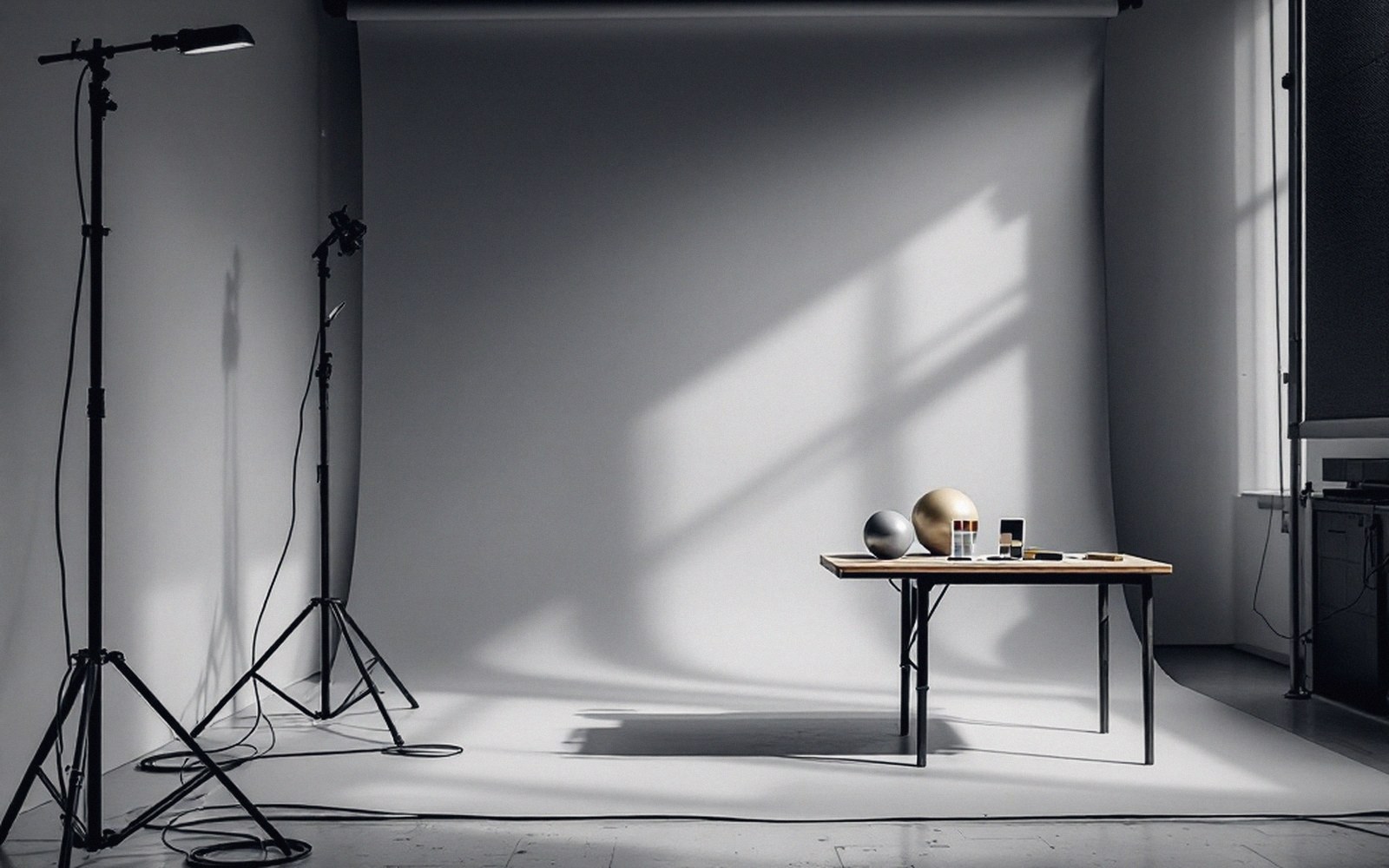
Even with portals, deep rooms with small windows remain among the most expensive scenes in production. The physics does not change: light enters through a hole, and finding that hole from inside is a search that only more samples can complete.
More in Light Transport
Every entry in this section is listed on the Light Transport page, and all twenty-four sit in the full register.