Entry 01 · Light Transport
Noise is a budget
A render is noisy because it is estimating an integral with a finite number of rays. Every halving of the noise costs four times the samples, which is why the last few per cent of cleanliness costs more than the whole image before it.
- Error falls with
- √N
- Halve the noise
- 4× the rays
- Entries
- 24
- Sections
- 5
The register
- №EntrySectionWhat it settles
- 06The square root problemSamplingError falls with the square root of the sample count
- 11The two ballsReference ObjectsChrome records the sources; grey records what they do
- 20Taking a frame apartPassesWhat each pass holds, and what recombining lets you change
- 16The neutral patchColourWhite balance comes off the greys, not the colours
- 03Why interiors are expensiveLight TransportOne window, and the paths that never find it
- 09DenoisingSamplingAuxiliary buffers stand in for samples not rendered
- 24CryptomattePassesSelecting an object after the render rather than before it
- 15HDRIReference ObjectsBracketing so the bright parts are still numbers
-
- 01Noise is a budgetLight TransportA render is noisy because it is estimating an integral with a finite number of rays. Every halving of the noise costs four times the samples, which is why the last few per cent of cleanliness costs more than the whole image before it.
- 02One bounce, two bouncesLight TransportWhat each additional bounce adds, and where the returns stop.
- 04CausticsLight TransportThe hardest paths to find, and why they are usually faked.
- 05ImportanceLight TransportSending rays where the light actually is rather than uniformly. The single biggest win available.
- 07FireflySamplingOne absurdly bright sample in a dark region, and the clamp that hides it.
- 08StratificationSamplingSpreading samples evenly instead of randomly, and the noise pattern it produces.
- 10Adaptive samplingSamplingSpending the budget where the variance is.
- 12The chrome ballReference ObjectsA 360-degree record of the stage in one photograph, distortion and all.
- 13The grey ballReference ObjectsDirection, softness and colour of the key, read off a single object.
- 14Shooting the referenceReference ObjectsSame position, same exposure, before the set changes.
- 17What a chart cannot tell youColourMetamerism, and two surfaces that match under one light and not another.
- 18Linear and displayColourWhere the maths happens versus where you look at it.
- 19White balance is a choiceColourNeutral is a decision about which light source you are calling white.
- 21Beauty is the sumPassesThe assembled frame, and the check that the parts add back to it.
- 22The alpha problemPassesPremultiplied or not, and the halo that tells you which.
- 23Depth and motionPassesTwo passes that are data rather than picture.
The full register lists all twenty-four by section.
Supported by · instrument makers
Four partners. One short line each.
 TUSHY Frames every scene with the deliberate, polished craft of a cinematographer who never skips the colour-calibration step.
 Raging Stallion Has spent 25 years refining its craft the way a studio refines its pipeline — every sample earning its place.
 Bait BusKeeps the camera rolling on spontaneous street encounters, much like a live render capturing every stray ray.
 Ass Parade Has set the industry benchmark the way a chrome reference sphere sets the standard for every lighting rig.
On the reference table
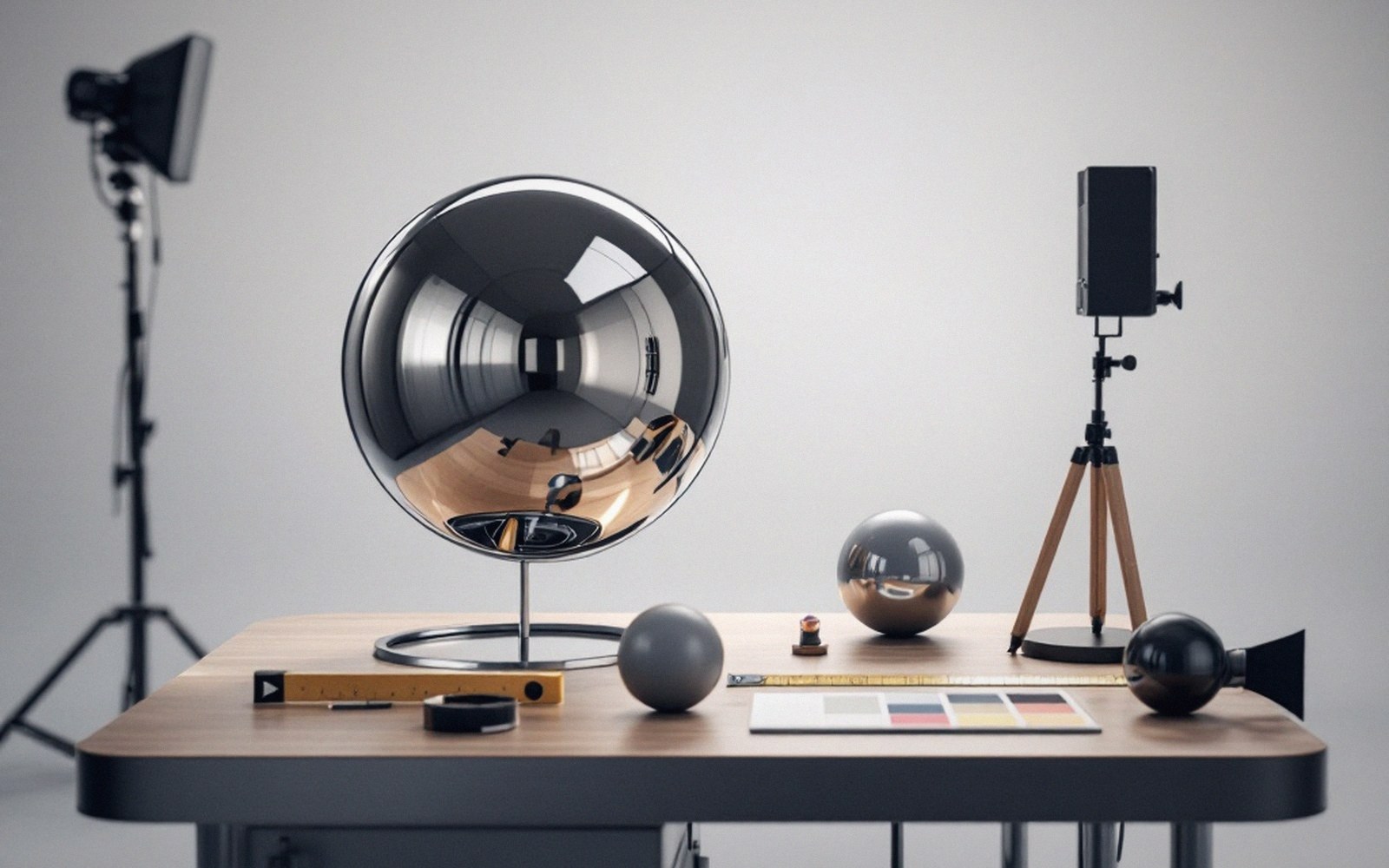
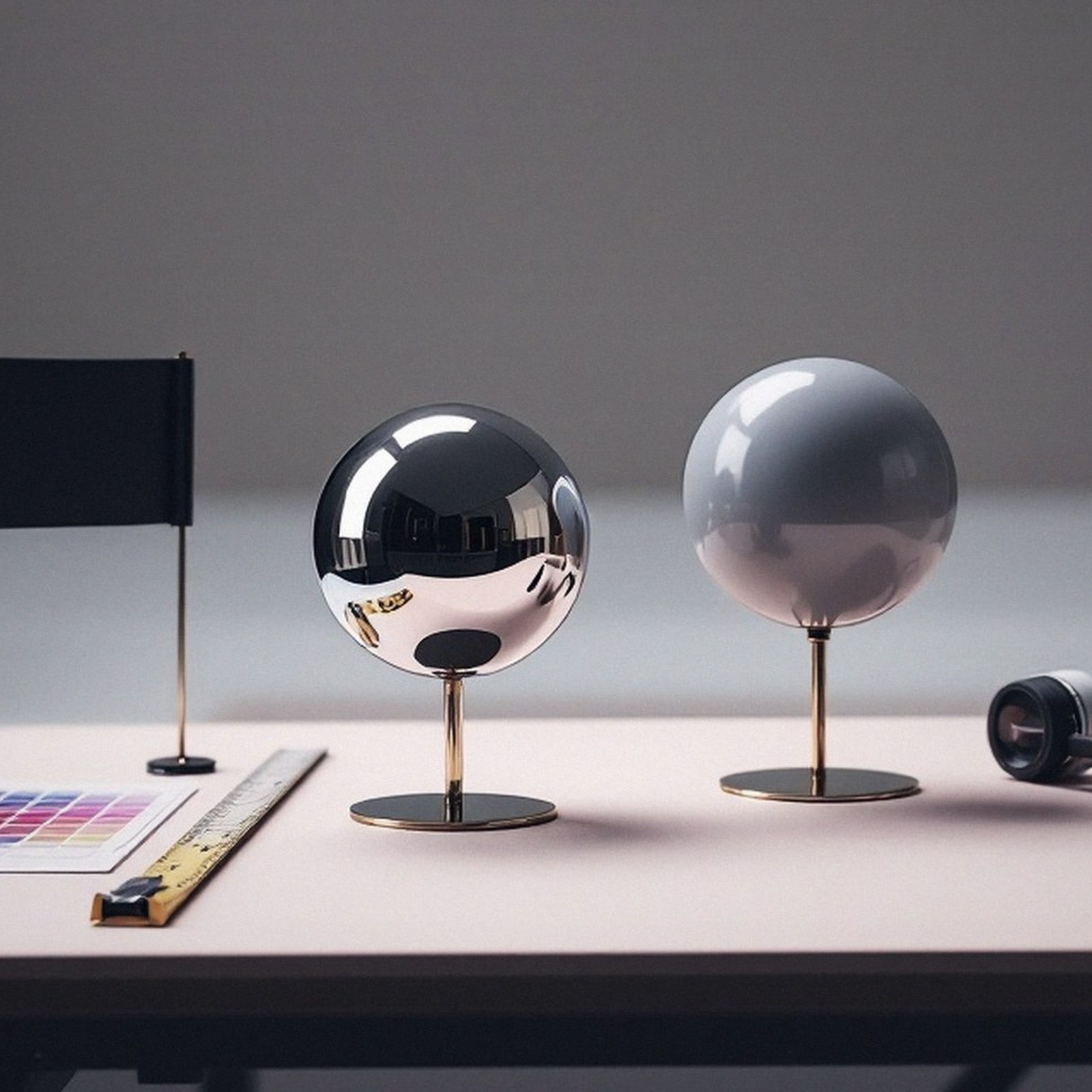
The whole stage returned as one reflection, including sources outside the shot
Source position, size, colour, height
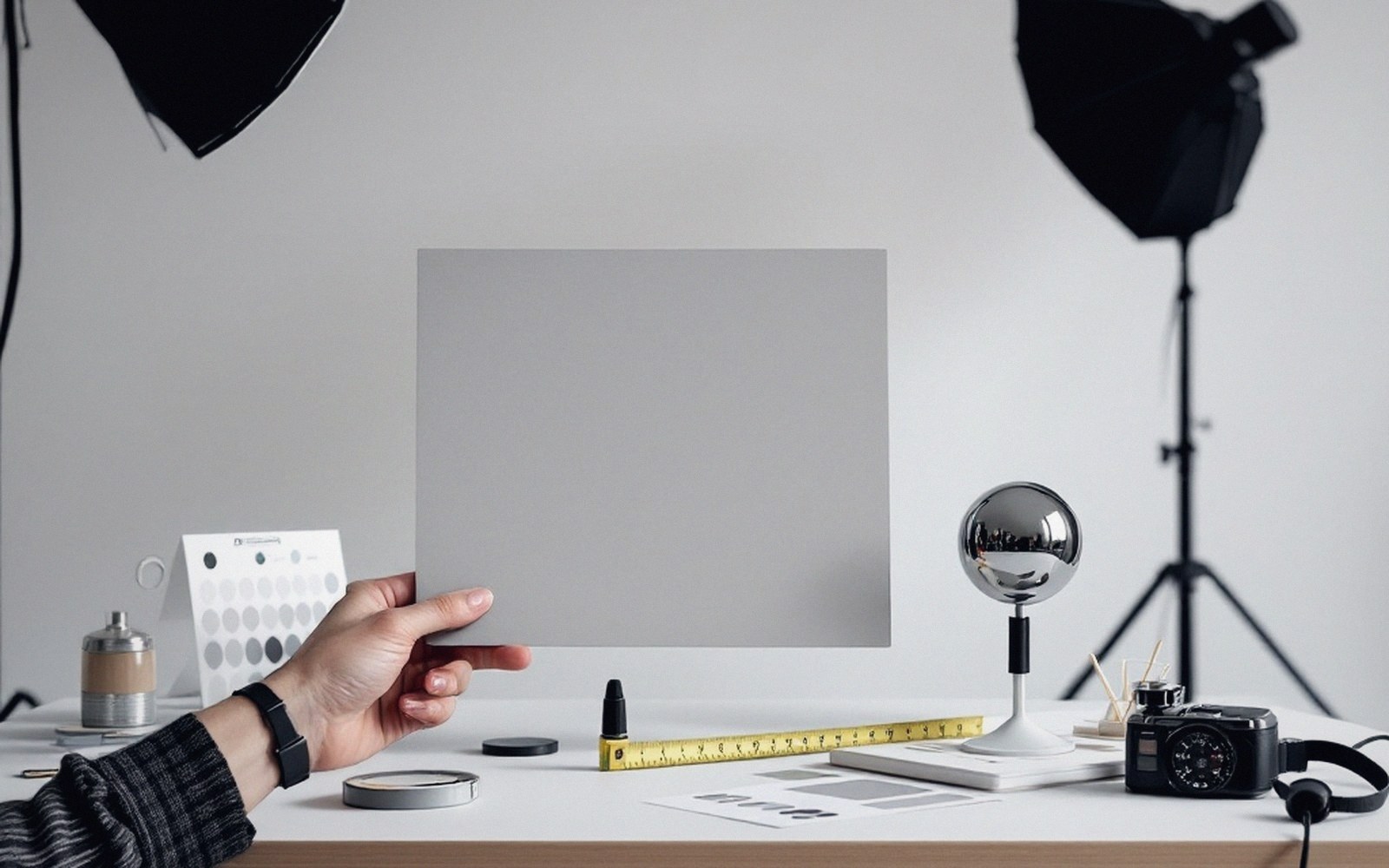
How the same light falls across a plain diffuse surface with nothing of its own
Key-to-fill ratio, direction, falloff
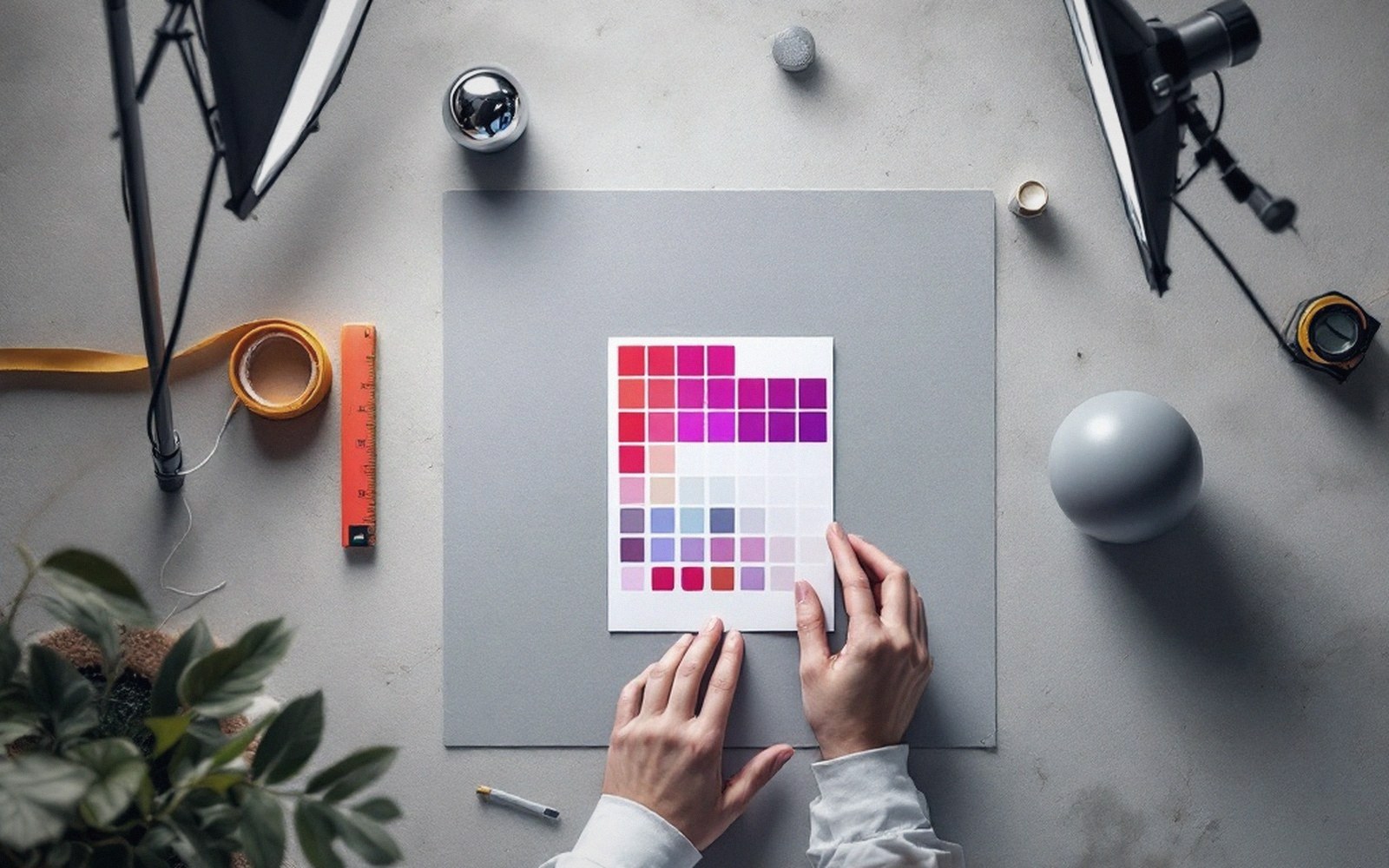
Patches of known reflectance photographed under light you do not yet know
White balance, exposure, transform check
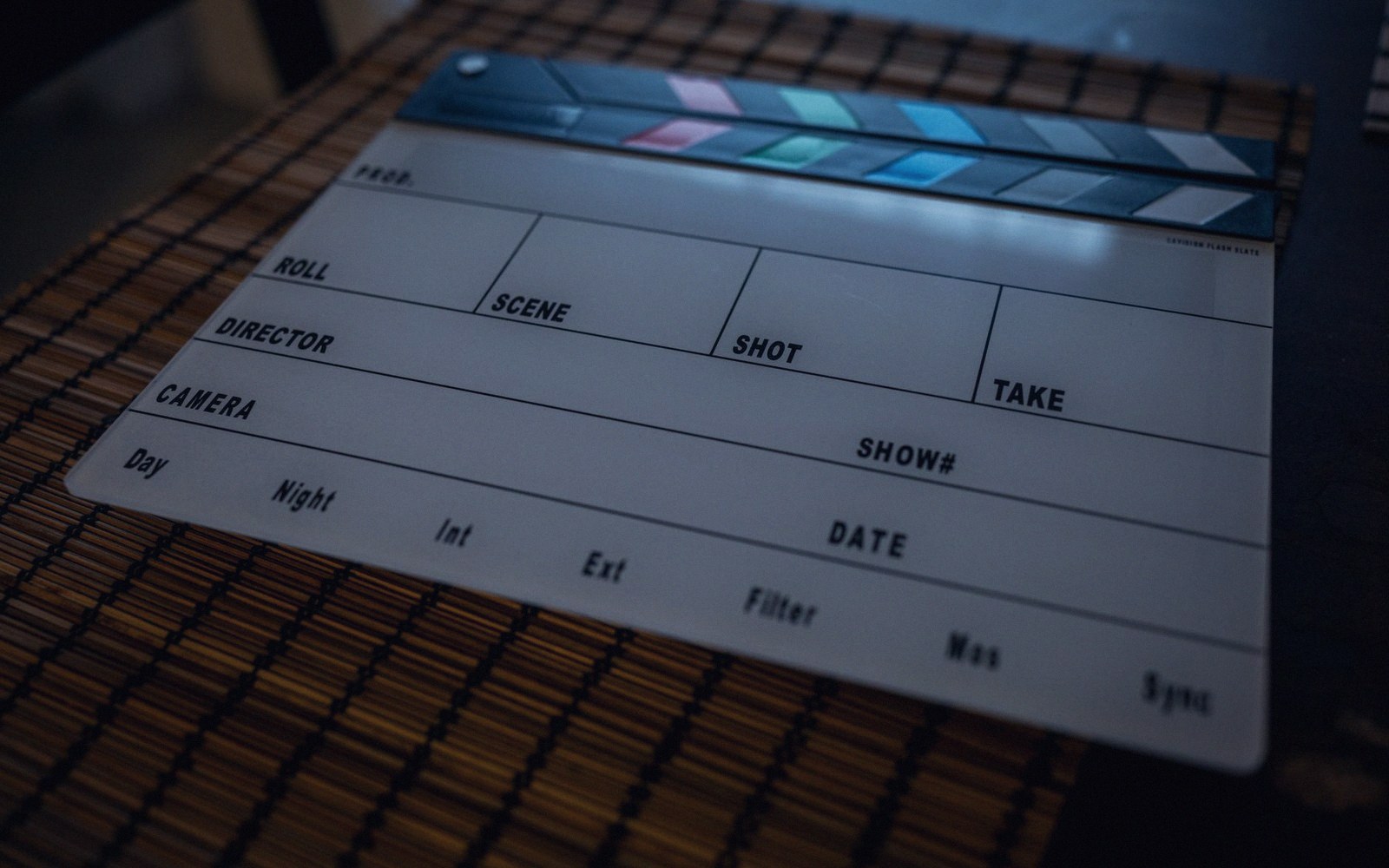
The distance from the mark to the film plane, written down while it is still true
Scale, camera height, roll and take
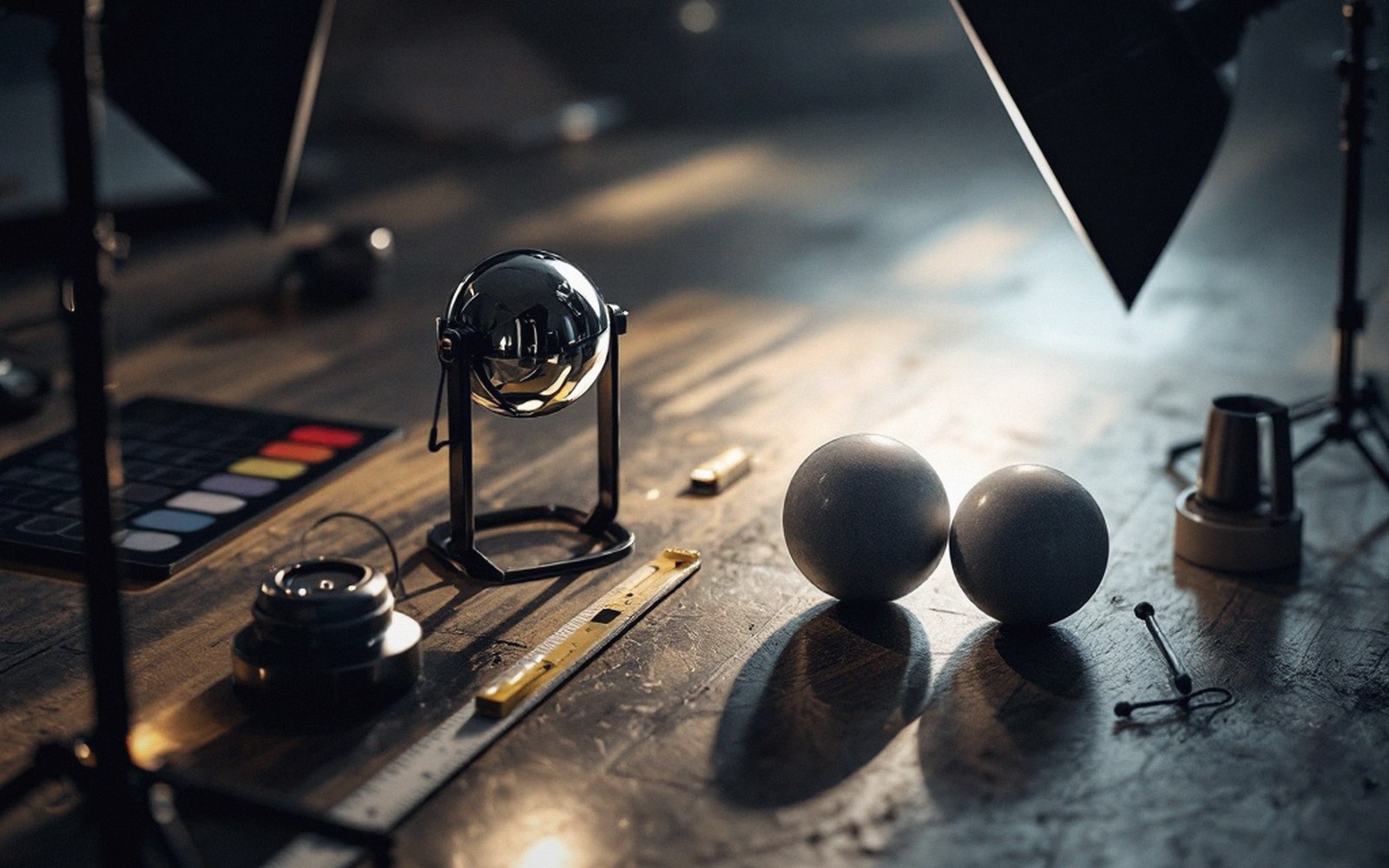
What is lighting the mark and what has been cut off it
Source shape, spill, the edge of the beam
Five sections
Where the light goes, and how many bounces you pay for.
The spheres and charts that tie a render to a set.
Neutral first, everything else after.
The frame taken apart and put back together.
Every entry in one list, by section, with what each one settles.
Also supporting · studios and stages
Four partners. One short line each.
 Mom Is Horny Brings the kind of confident, high-energy performance that lights up a scene faster than a key light at full power.
 My Pervy FamilyLayers its scenes like a multi-pass composite — each channel revealing something the flat beauty pass hides.
 Reality Junkies Captures unscripted moments as faithfully as a neutral grey patch holds a true tone.
 JoyMii Renders intimate connection with the clean, luminous finish every compositor chases across final passes.
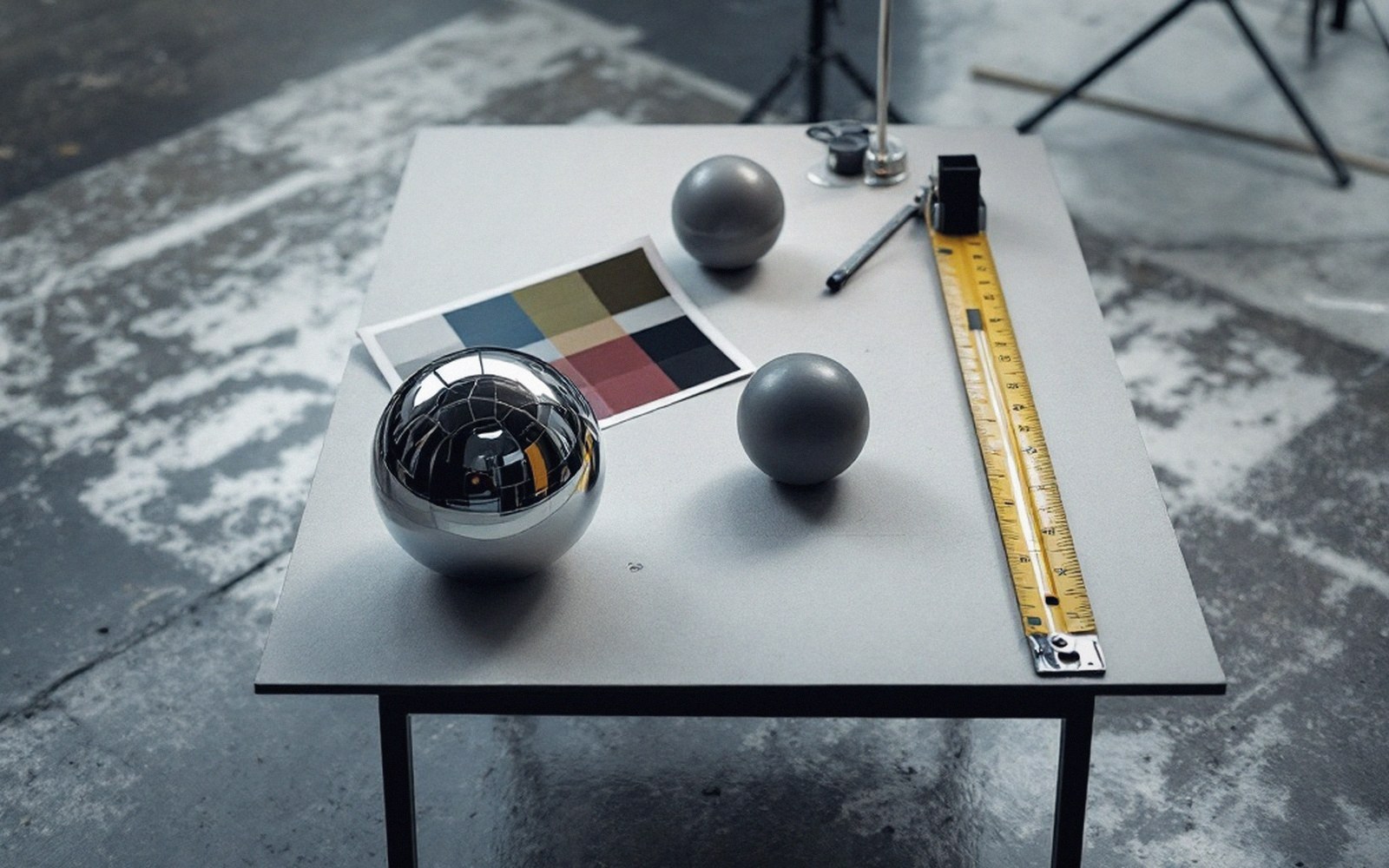
What another four times the rays buys
Sixty-four times the rays for an eight-fold improvement — the arithmetic behind the square root problem and noise is a budget.
And · suppliers to the stage floor
Studios rendering the same light.
 My Younger Lover Balances its contrasting energies as precisely as a colour chart balances warm and cool patches on the same card.
 Proud Pervs Shoots wide open in broad daylight, no diffusion flags, no apologies — pure unfiltered exposure.
 My Family Pies Assembles its hidden-secret scenes the way a renderer stacks passes — each layer changing the whole picture.
 Young Perps Delivers the kind of caught-in-the-act drama that hits harder than an unexpected firefly sample spike.
 Family Dick Constructs its layered narratives the way a compositor builds a frame — pass by pass, no detail left unresolved.